
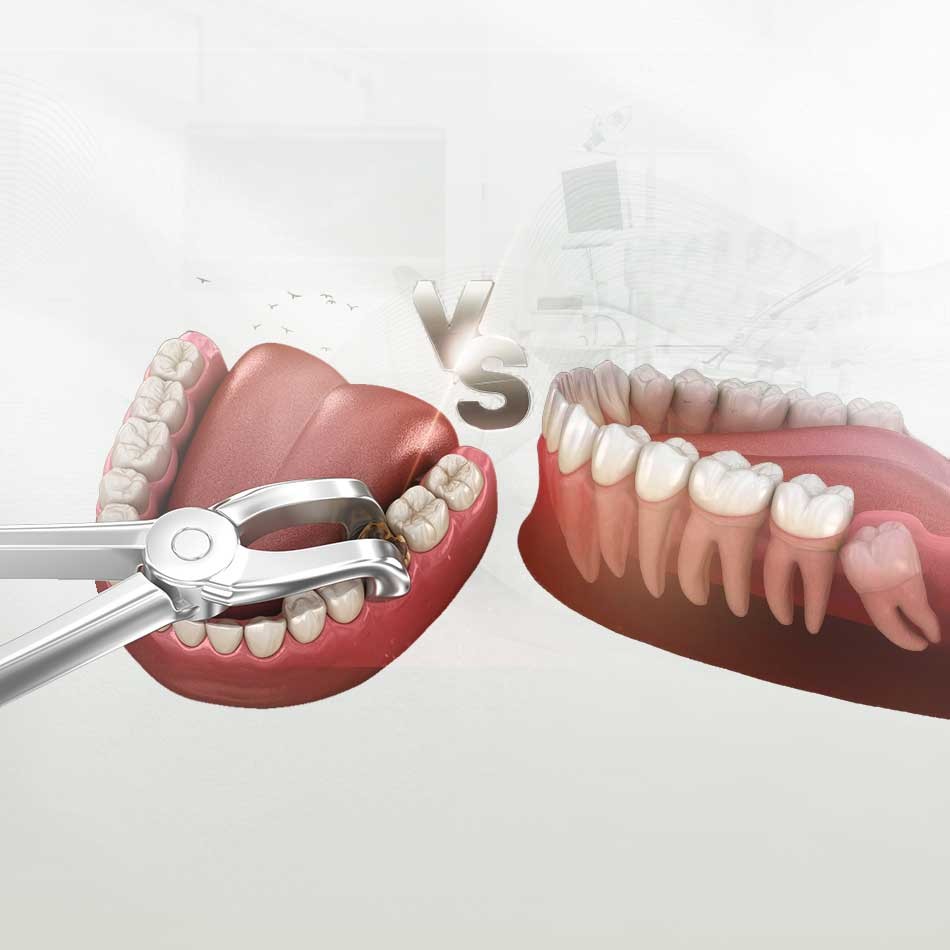
Tooth Extraction and Surgical Extraction
Tooth Extraction and Surgical Extraction: The Comprehensive Guide to Making the Right Medical Decision
Tooth extraction and surgical extraction are essential procedures in dentistry, used when preserving a tooth is no longer possible or may pose a risk to overall oral health. These procedures are performed in specialized clinics such as Aman Centers, which utilize the latest medical technologies to ensure maximum safety and comfort for the patient. With significant advancements in anesthesia and surgical tools, tooth extraction and surgical extraction have become easier and safer than ever before.
What Are Tooth Extraction and Surgical Extraction?
Tooth extraction and surgical extraction refer to two relatively different procedures used to remove teeth from the jaw:
- Simple Extraction: The visible tooth is removed easily using basic tools.
- Surgical Extraction: A more complex procedure used for impacted, broken, or fully unerupted teeth.
The dentist determines the appropriate procedure based on the condition and location of the tooth.
When Do We Perform Tooth Extraction and Surgical Extraction?
Certain medical conditions require tooth extraction or surgical extraction, including:
- Severe decay that cannot be treated
- Recurrent infections at the tooth roots
- Broken tooth below the gum line
- Crowded jaws
- Extra or impacted teeth
- Preparation for orthodontics or dental implants
Difference Between Simple and Surgical Extraction
Although the goal is the same, the differences between the two procedures are clear:
Simple Extraction
- Performed without surgery
- No gum incision needed
- Short recovery time
Surgical Extraction
- May require a gum incision
- Used for impacted teeth
- Requires a relatively longer recovery period
Tooth extraction and surgical extraction complement each other depending on medical need.
Steps in Tooth Extraction and Surgical Extraction
The procedures follow several organized stages, including:
- Clinical examination and X-rays
- Local or general anesthesia depending on the case
- Removal of the tooth or its parts
- Cleaning the extraction site
- Suturing the gums (for surgical extraction)
- Providing post-procedure instructions
Are Tooth Extraction and Surgical Extraction Painful?
Thanks to advances in anesthesia, patients do not feel pain during tooth extraction or surgical extraction. Possible post-procedure effects include:
- Mild discomfort after anesthesia wears off
- Slight swelling
- Temporary pain manageable with medication
These symptoms usually disappear within a few days.
Preparation Before Tooth Extraction and Surgical Extraction
To ensure success, patients are advised to:
- Inform the dentist of their medical condition
- Mention any medications being used
- Avoid eating before surgical extraction
- Follow the dentist’s instructions carefully
Care After Tooth Extraction and Surgical Extraction
Post-procedure care is essential to avoid complications, including:
- Applying pressure with gauze to stop bleeding
- Avoid rinsing during the first 24 hours
- Refraining from smoking
- Eating soft foods
- Taking prescribed medications
Potential Complications of Tooth Extraction and Surgical Extraction
Although these procedures are safe, rare complications may occur, such as:
- Infection at the extraction site
- Persistent bleeding
- Dry socket
- Temporary swelling or bruising
These risks are minimized when choosing a trusted center such as Aman Centers.
Recovery Time After Tooth Extraction and Surgical Extraction
Recovery time varies depending on the procedure:
- Simple Extraction: 3–5 days
- Surgical Extraction: 7–14 days
Following instructions significantly speeds up healing.
Does Tooth Extraction or Surgical Extraction Affect Adjacent Teeth?
When performed correctly, adjacent teeth are not affected. On the contrary, extraction may protect them from infection or pressure caused by damaged teeth.
When Should the Extracted Tooth Be Replaced?
It is recommended to replace the extracted tooth to avoid:
- Movement of adjacent teeth
- Bone loss
- Chewing and speech problems
Replacement options include:
- Dental implants
- Bridges
- Removable prosthetics
Are Tooth Extraction and Surgical Extraction Safe?
Yes, these procedures are very safe when performed by a specialist in a certified clinic that adheres to sterilization and quality standards.
Tips to Reduce the Need for Tooth Extraction and Surgical Extraction
To prevent and minimize the need for extraction:
- Maintain daily oral hygiene
- Visit the dentist regularly
- Treat cavities early
- Do not ignore tooth pain
Frequently Asked Questions About Tooth Extraction and Surgical Extraction
Can I eat after extraction?
Yes, after anesthesia wears off, soft foods are recommended.
Does extraction require stitches?
Surgical extraction usually requires stitches.
When can I return to normal life?
Within a few days, depending on the case.
Tooth extraction and surgical extraction are necessary medical procedures in certain cases to maintain oral and dental health. With medical advancements, these procedures have become safer and more comfortable, especially when performed in specialized centers under professional supervision.

