
Tooth Filling Aftercare: What to Eat and When Pain Is Normal
Essential aftercare tips after a tooth filling: when you can eat, how to handle sensitivity and pain, and when to see your dentist. A practical guide from Aman Dental Centers in Mansoura.
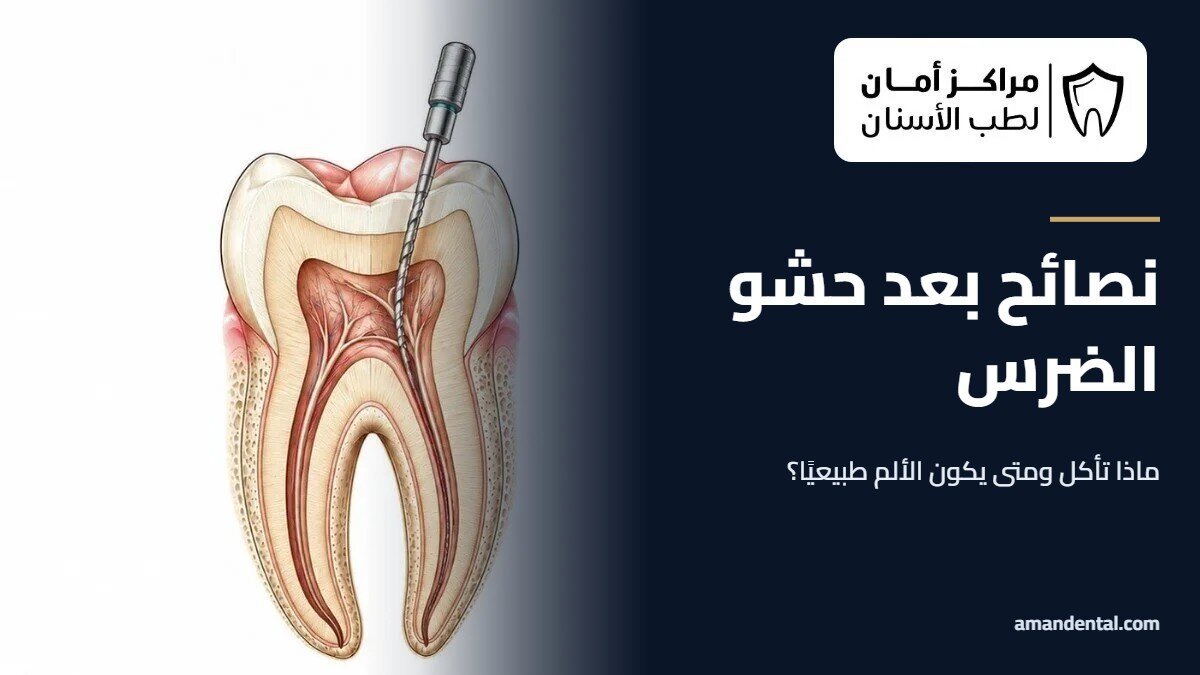
A tooth filling is one of the most common dental treatments, yet many patients leave the clinic with questions: When can I eat? Is sensitivity normal? What if the filling feels high? That is why we have gathered the most important tooth filling aftercare tips for different types of fillings in this article. At Aman Dental Center in Mansoura, we always stress that following tooth filling aftercare instructions extends the life of the filling and reduces sensitivity and later problems.
Types of Fillings and How They Affect Aftercare
Some instructions vary depending on the type of filling:
- Composite (white) filling: hardens instantly with a blue curing light, and you can chew on it once the numbness wears off.
- Amalgam (silver) filling: takes about 24 hours to reach full hardness.
- Temporary filling: weaker, used between root canal visits, and needs more care.
- Glass ionomer filling: often used for children and certain areas; avoid heavy chewing in the first few hours.
Read more about the best type of dental filling and cosmetic fillings.
Tooth Filling Aftercare in the First Few Hours
- Wait for the numbness to wear off before eating: so you do not bite your tongue or cheek without noticing, especially children.
- Avoid very hot drinks: while numb, to prevent burns.
- With an amalgam filling: avoid chewing on that side for 24 hours.
- With a temporary filling: do not eat for at least an hour, and avoid gum and sticky foods until your next visit.
What to Eat After a Filling
Choosing the right food in the first few days is one of the most important tooth filling aftercare tips:
- Best choices: soft, lukewarm foods such as yogurt, rice, pasta, eggs and cooked vegetables.
- Avoid for now: sticky foods like caramel and gum, hard foods like nuts and ice, and very cold or very hot drinks if you have sensitivity.
- Cut down on sugar and soft drinks: to protect the filling and teeth from new decay around the edges.
Sensitivity and Pain After a Filling: What Is Normal?
Normal
- Mild sensitivity to cold, heat and sweets for a few days to two weeks, especially with deep fillings.
- Slight soreness in the nearby gum from the instruments or the anesthetic injection.
- A different feeling in the tooth or a sense that its shape has changed; the tongue gets used to it quickly.
Not Normal and Needs a Check-Up
- Pain when biting or a feeling that the filling is high: usually needs a simple adjustment in minutes.
- Spontaneous throbbing pain: pain that wakes you at night or lingers long after the cold or hot trigger is gone may indicate nerve inflammation. Read about tooth nerve pain and toothache.
- Swelling in the gum or face.
- The filling falling out or a piece breaking off.
How to Relieve Sensitivity After a Filling
- Use a toothpaste for sensitive teeth.
- Use a soft brush and do not press hard while brushing.
- Avoid very cold or very hot drinks for a while.
- Avoid lots of acidic foods in the first few days.
If sensitivity does not improve within two to three weeks, consult your dentist. If the gum around the filling becomes inflamed, read about gum inflammation after a filling.
Tooth Filling Aftercare to Make Your Filling Last Longer
- Brush twice a day with a fluoride toothpaste.
- Floss every day to clean the edges of fillings between teeth.
- Do not use your teeth to open bottles or bite hard objects.
- If you grind your teeth at night, ask your dentist about a night guard.
- See your dentist every 6 months for a check-up and cleaning. Learn about dental scaling.
Following these tooth filling aftercare tips protects the filling from leakage and secondary decay around it. Also read how to take care of your teeth.
Aftercare Following a Root Canal Filling
If the filling is part of a root canal treatment, there are extra instructions: avoid heavy chewing on the tooth until the crown is fitted, because a root canal-treated tooth is more likely to break, and you may feel slight pain when pressing on it for a few days. Read about root canal treatment and does a root canal hurt?
How Long Does a Tooth Filling Last?
A composite filling usually lasts 5 to 10 years or more, an amalgam filling may last longer, and ceramic inlays and onlays are among the longest-lasting. The actual lifespan depends on the size and location of the filling, your habits and how well you follow tooth filling aftercare. For prices, see dental filling cost and composite filling cost.
Why Aman Dental Centers?
At Aman Dental Centers, we use high-quality filling materials and carefully adjust the bite after every filling to prevent pain when biting, and we give every patient written instructions based on the type of filling.
Tooth Filling Aftercare for Children
Children need special attention after a filling. The most important tooth filling aftercare tips for them are:
- Watch your child until the numbness wears off completely, as they may bite their lip or cheek without feeling it.
- Give soft food once the numbness is gone and avoid sticky sweets.
- Help them brush in the evening until about age eight.
- Ask the dentist about fluoride and fissure sealants to protect the other teeth.
Read about tooth decay in children to learn how to prevent the need for new fillings.
Common Mistakes After a Tooth Filling
- Putting up with pain when biting for days: when a quick adjustment fixes it in minutes.
- Neglecting a temporary filling: and delaying the next visit until it falls out and decay returns.
- Chewing on an amalgam filling: in the first 24 hours.
- Stopping flossing: for fear of damaging the filling, even though it is essential for cleaning its edges.
- Relying on painkillers: to mask ongoing pain instead of seeing the dentist.
Avoiding these mistakes is a key part of tooth filling aftercare and saves you from repeat treatment.
When Does a Filling Need Replacing?
A filling needs replacing when decay appears around its edges, it cracks, its color changes noticeably on front teeth, or food keeps getting trapped there. Regular check-ups spot these signs early, and following daily tooth filling aftercare is what helps a filling last as long as possible without problems.
Aftercare Tips by Filling Type
After a Composite Filling
One of the most important tooth filling aftercare tips for composite fillings is to limit tea, coffee and colored drinks in the first 48 hours, as the filling surface may absorb stains at first. Regular polishing also helps keep its shine.
After an Amalgam (Silver) Filling
Do not chew on the filled tooth for 24 hours until the filling reaches full hardness, and avoid very hard foods during this time. This is one of the simplest tooth filling aftercare tips, but one of the most important.
After a Temporary Filling
- Do not eat for at least an hour after it is placed.
- Chew on the other side until your next visit.
- Avoid gum and sticky sweets.
- If the temporary filling falls out, see your dentist quickly so the canals do not become contaminated.
After a Deep Filling
A filling close to the nerve may cause sensitivity for longer. A key tooth filling aftercare tip for deep fillings is to watch the type of pain: if sensitivity eases day by day, that is reassuring, but spontaneous or night-time pain may mean the tooth needs root canal treatment. Read about microscopic root canal treatment.
Tooth Filling Aftercare During Pregnancy
Fillings are safe during pregnancy, especially in the second trimester. Tooth filling aftercare tips for pregnant women include keeping the mouth very clean, as hormones make the gums more sensitive, and seeing the dentist for any pain instead of taking painkillers without advice.
When Should You Go Back for a Follow-Up?
After any large filling, a follow-up within a few weeks is advisable if symptoms persist, followed by regular check-ups every 6 months. Following tooth filling aftercare together with this follow-up helps your filling last for many years.
Conclusion
Following tooth filling aftercare is simple but makes a big difference: wait for the numbness to wear off, choose suitable food, handle sensitivity calmly, and see your dentist if the filling feels high or you have unusual pain. For any questions or follow-up, contact Aman Dental Centers in Mansoura, and the Aman team will be happy to help.
This information is for general health education and does not replace an in-person dental examination.