
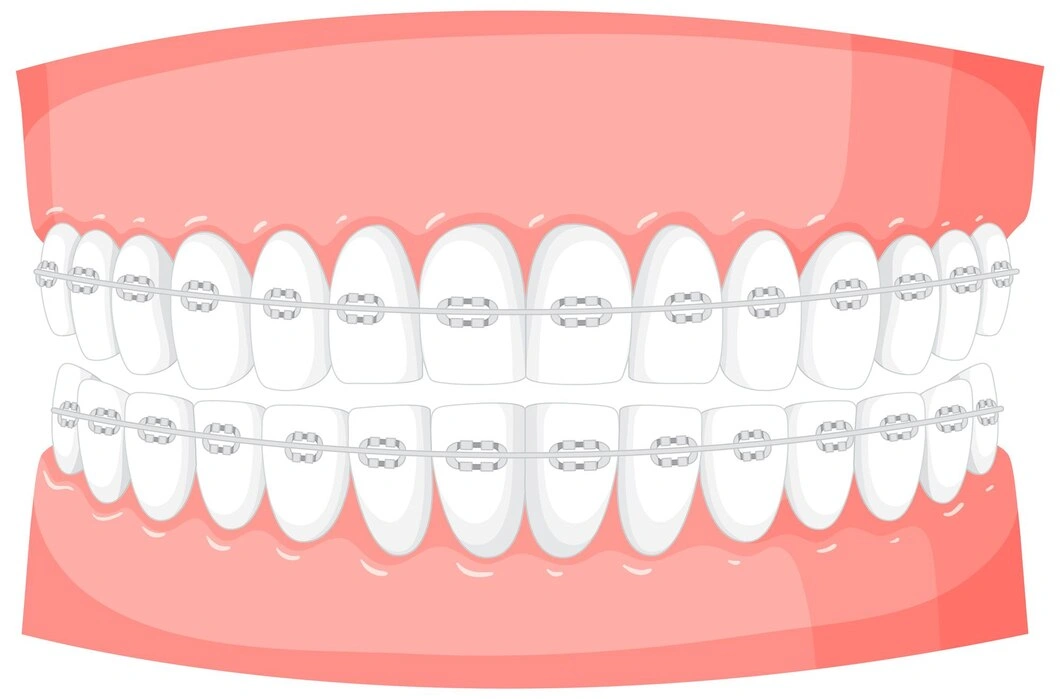
Orthodontics: The Comprehensive Guide to a Balanced Smile and Better Oral Health
Orthodontics is one of the most common and important treatments in modern dentistry. It aims to correct misalignment issues of the teeth and jaws while improving both function and appearance. This treatment is performed in specialized clinics like Aman Dental Centers, which use the latest medical technologies to ensure precise and safe results. Orthodontics has become an essential option for children and adults who desire a healthy, well-aligned, and long-lasting smile.
What is Orthodontics?
Orthodontics is a branch of dentistry that focuses on diagnosing and treating misaligned teeth and jaw discrepancies. The treatment uses orthodontic devices that apply gentle, controlled pressure to gradually move the teeth into their correct positions.
Why Do We Need Orthodontics?
The importance of orthodontics goes beyond aesthetics and offers several health benefits, including:
- Improving chewing function
- Facilitating oral hygiene
- Reducing the risk of cavities and gum disease
- Enhancing speech in some cases
- Balanced distribution of bite forces
Conditions Treated by Orthodontics
Orthodontics can address a variety of issues, such as:
- Crowded teeth
- Gaps between teeth
- Protruding front teeth
- Open or deep bite
- Jaw misalignment
Types of Orthodontic Treatments
Several types of orthodontic treatments are available, with the choice depending on the patient’s condition:
- Metal Braces
- Most common
- Highly effective
- Relatively cost-effective
- Ceramic Braces
- Less visible
- Suitable for adults
- More aesthetic appearance
- Clear Aligners
- Nearly invisible
- Removable
- Requires high compliance
- Lingual Braces
- Placed behind the teeth
- Completely hidden
- Requires high expertise
Who is a Suitable Candidate for Orthodontics?
Orthodontics is suitable for most age groups, provided:
- Teeth and gums are healthy
- General health is good
- The patient is willing to follow the dentist’s instructions
Orthodontics is no longer limited to children; it is increasingly popular among adults.
Is Orthodontics Painful?
Some patients may feel mild discomfort during the first few days after braces are applied or tightened. This sensation is temporary and usually subsides within a few days and can be managed with simple pain relievers.
Orthodontic Treatment Steps
Orthodontic treatment follows several organized stages:
- Comprehensive clinical examination
- X-rays and imaging
- Customized treatment plan
- Placement of orthodontic devices
- Regular follow-ups and adjustments
- Removal of braces
- Retention phase
Duration of Orthodontic Treatment
The duration depends on the severity of the case, typically:
- 6 months for mild cases
- 12–24 months for moderate cases
- Longer for complex cases
Care During Orthodontic Treatment
To ensure treatment success, patients should:
- Brush teeth after every meal
- Use a special orthodontic toothbrush
- Avoid hard and sticky foods
- Attend regular dental check-ups
Retention Phase After Orthodontics
After braces are removed, the retention phase is necessary to maintain results and prevent teeth from shifting back. Retainers can be:
- Fixed
- Removable
The dentist determines the most suitable type for each patient.
Long-Term Benefits of Orthodontics
Long-term advantages include:
- A well-aligned smile
- Improved oral health
- Reduced jaw problems
- Increased self-confidence
Is Orthodontics Safe?
Yes, orthodontics is a safe and effective treatment when performed under the supervision of a qualified orthodontist in a certified clinic. It is recommended to choose trusted centers like Aman Dental Centers, which adhere to the highest standards of quality and sterilization.
Cost of Orthodontics
The cost varies depending on several factors, including:
- Type of orthodontic device used
- Treatment duration
- Dentist’s experience
- Location of the clinic
Despite varying prices, orthodontics is considered a long-term investment in health and appearance.
Tips for Choosing the Best Orthodontic Center
When considering orthodontic treatment, ensure:
- The orthodontist is experienced
- The treatment plan is clear
- Modern techniques are used
- Positive patient reviews
Difference Between Traditional Braces and Clear Aligners
While traditional braces are more effective for complex cases, clear aligners offer comfort and aesthetics. The orthodontist selects the most suitable option based on the patient’s condition.

