
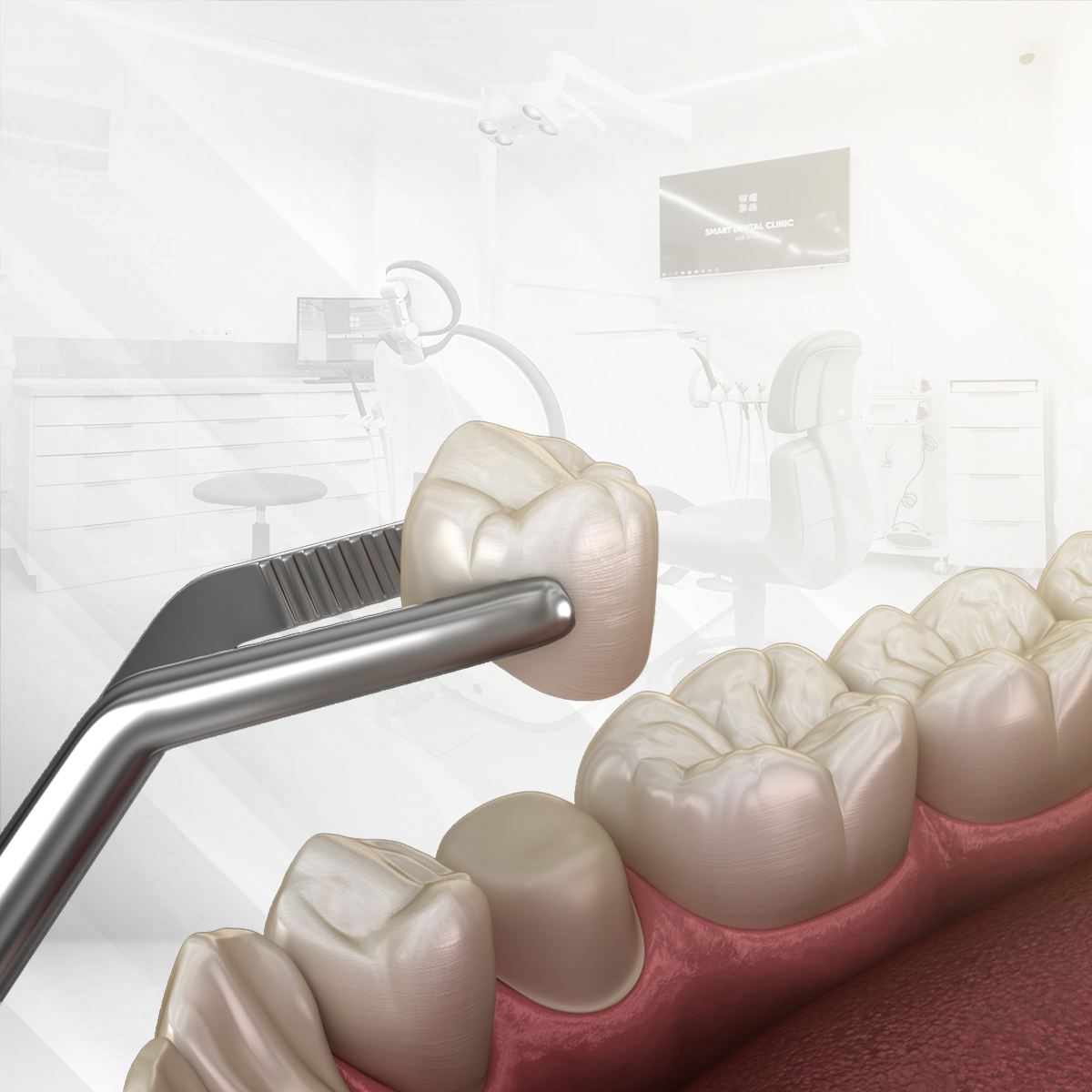
Dental Prosthetics: The Comprehensive Guide to Restoring Your Smile and Function with Confidence
Dental prosthetics are among the most common and effective solutions in restorative dentistry, helping to replace missing or damaged teeth and improve the overall appearance of the mouth. This type of treatment is performed in specialized clinics such as Aman Centers, which rely on the latest technologies and medical materials to achieve the best results in terms of aesthetics and function. With significant advancements in this field, dental prosthetics have become a reliable option for those seeking a practical and aesthetic solution at the same time.
What Are Dental Prosthetics?
Dental prosthetics refer to artificial teeth specifically designed to replace missing teeth or cover damaged ones. These prosthetics are made from various materials such as porcelain, zirconia, or metal and can be fixed or removable depending on the patient’s condition and needs.
Importance of Dental Prosthetics for Oral Health
Dental prosthetics play an important role that goes beyond improving appearance and includes several health benefits, such as:
- Restoring the ability to chew
- Improving speech
- Preventing movement of adjacent teeth
- Supporting facial muscles and preserving facial features
- Enhancing self-confidence
Types of Dental Prosthetics
Dental prosthetics are divided into two main types, and the dentist selects the most suitable based on the patient’s condition:
- Fixed Prosthetics
Includes:- Crowns
- Bridges
- Implant-supported prosthetics
Advantages: - High stability
- Natural appearance
- Comfortable to use
- Removable Prosthetics
Includes:- Partial dentures
- Complete dentures
Advantages: - Lower cost
- Easy to remove and clean
- Suitable for certain health conditions
Materials Used in Dental Prosthetics
Dental prosthetics are made from various materials, each with its properties:
- Zirconia: very durable and aesthetic
- Porcelain: excellent natural appearance
- Metal fused with porcelain: strength and durability
- Acrylic: commonly used in removable prosthetics
Who Are Suitable Candidates for Dental Prosthetics?
A person is considered a suitable candidate for dental prosthetics if they:
- Have one or more missing teeth
- Have damaged teeth that cannot be restored with fillings
- Have healthy gums
- Do not have an active oral infection
Steps in Dental Prosthetic Treatment
The dental prosthetic procedure involves several precise stages, including:
- Examination and diagnosis
- Dental imaging and X-rays
- Tooth preparation (if needed)
- Taking impressions
- Trying the prosthetic
- Final placement
Are Dental Prosthetics Painful?
Dental prosthetic procedures are usually not painful, as they are performed under local anesthesia when needed. Patients may feel slight discomfort after placement, which typically resolves quickly.
Difference Between Dental Prosthetics and Dental Implants
Although both solutions aim to replace missing teeth, there are clear differences:
- Dental prosthetics usually do not require surgery
- Dental implants are a permanent solution that involves placing an artificial root
- Dental prosthetics are generally less expensive
- The choice depends on bone and gum condition
Care After Dental Prosthetics
To maintain the quality and longevity of dental prosthetics, it is recommended to:
- Brush teeth twice daily
- Use dental floss
- Clean removable prosthetics daily
- Avoid biting hard foods
- Visit the dentist regularly
How Long Do Dental Prosthetics Last?
Dental prosthetics can last from 5 to 15 years or more, depending on:
- Type of prosthetic
- Quality of materials
- Oral hygiene
- Regular follow-up
Cost of Dental Prosthetics
The cost of dental prosthetics varies based on several factors, including:
- Number of teeth
- Type of material used
- Dentist’s experience
- Clinic location
Despite price variations, dental prosthetics remain an economical and effective option for many patients.
Are Dental Prosthetics Safe?
Yes, dental prosthetics are very safe when performed by a specialist in a certified dental center. It is always recommended to choose trusted centers such as Aman Centers, which adhere to international standards of quality and sterilization.
Common Mistakes After Dental Prosthetics
Mistakes to avoid include:
- Neglecting oral hygiene
- Failing to visit the dentist when discomfort occurs
- Using artificial teeth to open packages
- Ignoring any changes in the prosthetic
Dental prosthetics are an effective and practical solution to replace missing or damaged teeth, combining aesthetics and function at a reasonable cost. With significant advancements in materials and techniques, this procedure is now more precise and comfortable than ever.
Your Smile Deserves the Best Solution
If you are looking for a reliable solution to restore chewing ability and achieve a harmonious smile, dental prosthetics may be the most suitable choice, especially when performed by a specialist in a certified dental center.

