
Teeth Grinding at Night (Sleep Bruxism): Causes, Damage and Treatment
Do you grind your teeth at night? Learn the causes, signs and damage of sleep bruxism, and how a night guard and other treatments help, at Aman Dental Centers in Mansoura.
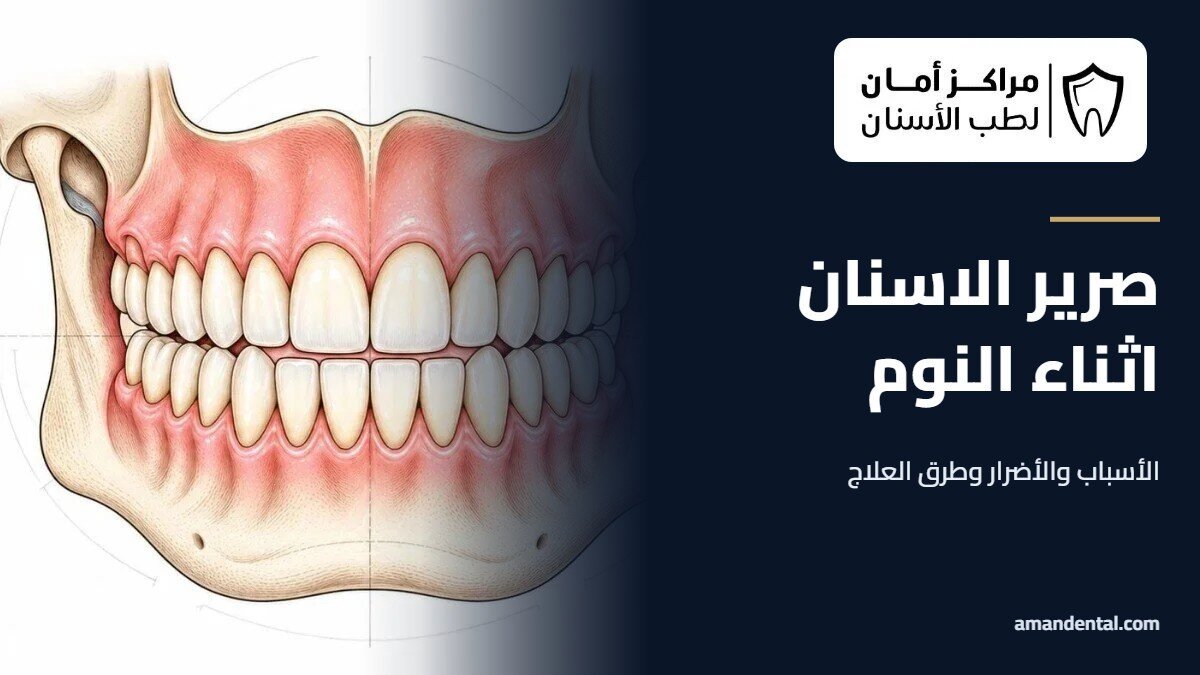
You may wake up with jaw pain or a headache, or your partner may tell you they hear your teeth grinding at night. These are among the most common signs of teeth grinding at night, known medically as sleep bruxism. The problem is that many people do not know they have it until the damage shows on their teeth. At Aman Dental Center in Mansoura, we often detect teeth grinding at night through signs of wear during routine check-ups. In this article, we explain the causes, signs, damage and treatment options.
What Is Teeth Grinding at Night?
It is the involuntary clenching or grinding of the upper teeth against the lower teeth during sleep. It may be audible grinding or silent, forceful clenching. The force generated during bruxism can far exceed normal chewing force, which is why it can cause significant damage over time.
Causes of Teeth Grinding at Night
- Stress and anxiety: among the factors most strongly linked to bruxism.
- Sleep disorders: such as sleep apnea and snoring.
- Stimulants: too much coffee, tea and caffeinated soft drinks, as well as smoking.
- Certain medications: such as some antidepressants, as determined by your doctor.
- Bad bite (malocclusion): or a high filling or crown may make the problem worse in some people.
- Genetics: bruxism tends to run in families.
- In children: it may be linked to teething, changing teeth or a blocked nose, and usually goes away with growth. Read about baby teeth.
Signs of Teeth Grinding at Night
- Grinding sounds during sleep noticed by people around you.
- Jaw pain or stiffness when you wake up.
- Morning headaches, especially at the temples.
- Flattened, worn or shortened teeth.
- Tooth sensitivity due to enamel wear.
- Cracked or broken teeth or fillings with no clear cause.
- Ear pain or a clicking sound in the jaw joint.
- Bite marks along the sides of the tongue or inside the cheeks.
Damage Caused by Teeth Grinding at Night
1. Tooth Wear
Over time, the teeth lose their enamel and become shorter, more sensitive and more yellow. Read about tooth enamel erosion.
2. Broken Teeth, Fillings and Crowns
One of the most serious effects of teeth grinding at night is cracked molars or broken crowns and veneers. Read about broken tooth extraction.
3. Jaw Joint (TMJ) Problems
Constant pressure strains the jaw muscles and joint, causing pain, clicking and difficulty opening the mouth. Learn about TMJ treatment.
4. Effect on Dental Implants
Excessive forces can loosen the implant screw, break the crown or overload the bone around the implant. Read about dental implant failure.
5. Gum Recession
Excessive pressure may contribute to gum recession and notches at the neck of the tooth.
Diagnosing Teeth Grinding at Night
Diagnosis is based on a clinical exam for wear and cracks, an assessment of the jaw muscles and joint, and asking about your symptoms. If sleep apnea is suspected, you may be referred to a sleep specialist for a sleep study.
Treatment for Teeth Grinding at Night
1. Night Guard
The most effective way to protect your teeth. It is a clear splint custom-made to fit your teeth that absorbs the grinding force and stops the teeth from rubbing against each other. It is best made at the clinic, as over-the-counter guards may be uncomfortable or poorly fitting.
2. Bite Adjustment
Adjusting high fillings or crowns, and in some cases orthodontic treatment may help. Read about orthodontics.
3. Repairing the Damage
Restoring worn teeth with cosmetic fillings, veneers or crowns once the grinding is under control. Learn about crowns and bridges and cosmetic fillings.
4. Botox for Jaw Muscles
An additional option in some severe cases to reduce the strength of muscle contractions, decided after a specialist assessment.
5. Lifestyle Changes
- Manage stress with relaxation exercises and physical activity.
- Cut down on caffeine, especially in the evening, and quit smoking.
- Avoid chewing gum or pens during the day.
- Apply warm compresses to the jaw muscles and massage them gently.
- Notice daytime clenching and relax your jaw.
Teeth Grinding at Night in Children
It is relatively common, usually temporary, and tends to disappear once the permanent teeth are in. Still, a check-up is recommended to rule out severe wear or a breathing problem. Learn about pediatric dentistry.
Why Aman Dental Centers?
At Aman Dental Centers, we diagnose teeth grinding at night from its early signs, make a custom night guard, and restore damaged teeth with a complete plan that protects your smile for the long term.
Night Grinding vs. Daytime Clenching
Teeth grinding at night is different from daytime clenching. Sleep bruxism is completely involuntary and often linked to sleep disorders, while daytime clenching is usually linked to concentration or stress and can be noticed and controlled with practice. Many patients have both, so treatment includes a night guard plus daytime jaw relaxation: lips closed, teeth slightly apart and tongue relaxed.
How Is a Night Guard Made?
- Taking an accurate impression or digital scan of the teeth.
- Making the guard in the lab from a material suited to how severe the grinding is.
- Trying it in and adjusting it so it is comfortable with a balanced bite.
- Regular follow-up, adjusting or replacing it when it wears.
A custom guard is the cornerstone of managing teeth grinding at night. Clean it daily with a brush and lukewarm water and keep it in its case.
Teeth Grinding and Cosmetic Restorations
If you are planning veneers, a Hollywood smile or implants, it is important to control teeth grinding at night first, because nighttime forces can break new restorations. That is why a night guard is often made right after the final restoration to protect your investment. Read about the Hollywood smile and how long dental implants last.
When Do You Need a Sleep Assessment?
If teeth grinding at night comes with loud snoring, pauses in breathing noticed by others, or severe daytime sleepiness, you may have sleep apnea. It is advisable to see a sleep disorders specialist as well as your dentist.
Teeth Grinding at Night in Egypt: Why Is It Increasing?
Dentists in Egypt are seeing more cases of teeth grinding at night among young people and office workers, often linked to work and study pressure, lots of coffee and caffeinated drinks, and late nights in front of screens. Improving sleep habits is therefore an essential part of treatment.
Treating Bruxism with a Night Guard
The night guard remains the first-line treatment for teeth grinding at night. Its thickness and material vary with severity. A hard, lab-made guard is more durable than soft over-the-counter guards and gives a more accurate bite.
Teeth Grinding and Morning Headaches
Headaches on waking, especially at the temples, are a sign people often fail to link with teeth grinding at night. With a night guard and muscle relaxation, many patients notice a clear improvement in their headaches.
Bedtime Habits That Reduce Grinding
- Avoid caffeine after mid-afternoon.
- Put away your phone and screens at least half an hour before bed.
- Apply a warm compress to the jaw muscles for 10 minutes.
- Do simple breathing and relaxation exercises.
- Eat a light dinner and do not go to bed right after eating.
These habits alone will not cure teeth grinding at night in every case, but they reduce its severity and support the night guard.
When Does Bruxism Need Multidisciplinary Care?
If teeth grinding at night is linked to severe anxiety, a clear sleep disorder or certain medications, your dentist may work with a sleep physician, psychiatrist or your treating doctor to address the causes while protecting your teeth. This integrated approach gives the best long-term results.
Practical Summary
Do not ignore the signs of teeth grinding at night, even if they seem minor. Tooth wear does not reverse on its own, and early treatment is much easier and less costly than restoring worn or broken teeth.
Conclusion
Teeth grinding at night is a silent habit with obvious effects: worn and broken teeth and jaw pain. The good news is that a custom night guard and controlling the causes protect your teeth effectively. If you notice any of the signs above, book your check-up at Aman Dental Centers in Mansoura, and the Aman team will assess your case and create a plan to treat teeth grinding at night and protect your smile.
This information is for general health education and does not replace an in-person dental examination.